KOSHI NX8: Before It Was an Electric Boat, It Was a Personal Need
A passion for fishing, years of experience at sea, and the constant pursuit of something better. This is the story behind our first electric boat project.
At KOSHI, we have always preferred to let our results speak for themselves. Over the years, we have designed and built boats that never made it to market, simply because they did not fully meet my expectations.
To me, innovation does not necessarily mean creating something new. It means having the courage to question everything until you achieve the result you are looking for.
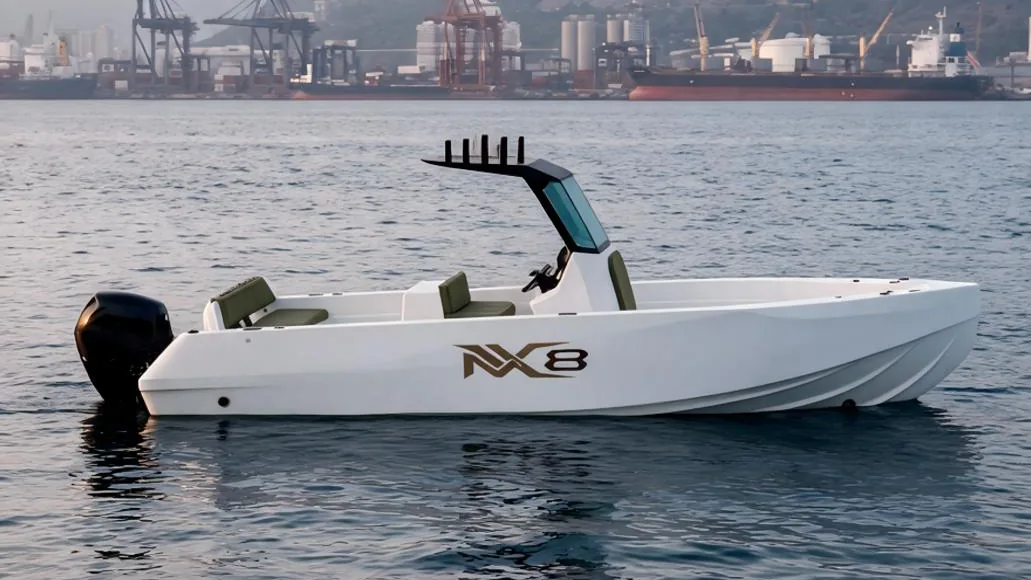
It is this passion, rather than any commercial opportunity, that drives us to do what we do. And it is from this very philosophy that the KOSHI NX8 was born.
But let me start at the beginning. Before I became a boatbuilder, I was a fisherman.
My name is Shkamb Koshi, founder of KOSHI Marine, and this is my story.
Fishing has been one of my greatest passions since I was a child. Over the years, the boats have changed, my responsibilities have grown, and the professional challenges have become greater. But my connection to the sea has never changed.
For years, I have spent almost every weekend in the Adriatic, offshore fishing with friends and family. For me, it is more than a sport or a pastime. It is the best way to step away from the pace of work, clear my mind, and find my balance again.
But there is another essential aspect: the sea is also my greatest testing ground.
Designing and building a boat is one thing. Living with it personally, week after week, in different conditions, and discovering needs that would rarely emerge during a simple sea trial is something else entirely.
It is precisely through these experiences that, over the years, I have begun imagining new solutions, questioning things that already worked, and constantly asking myself: can we do even better?
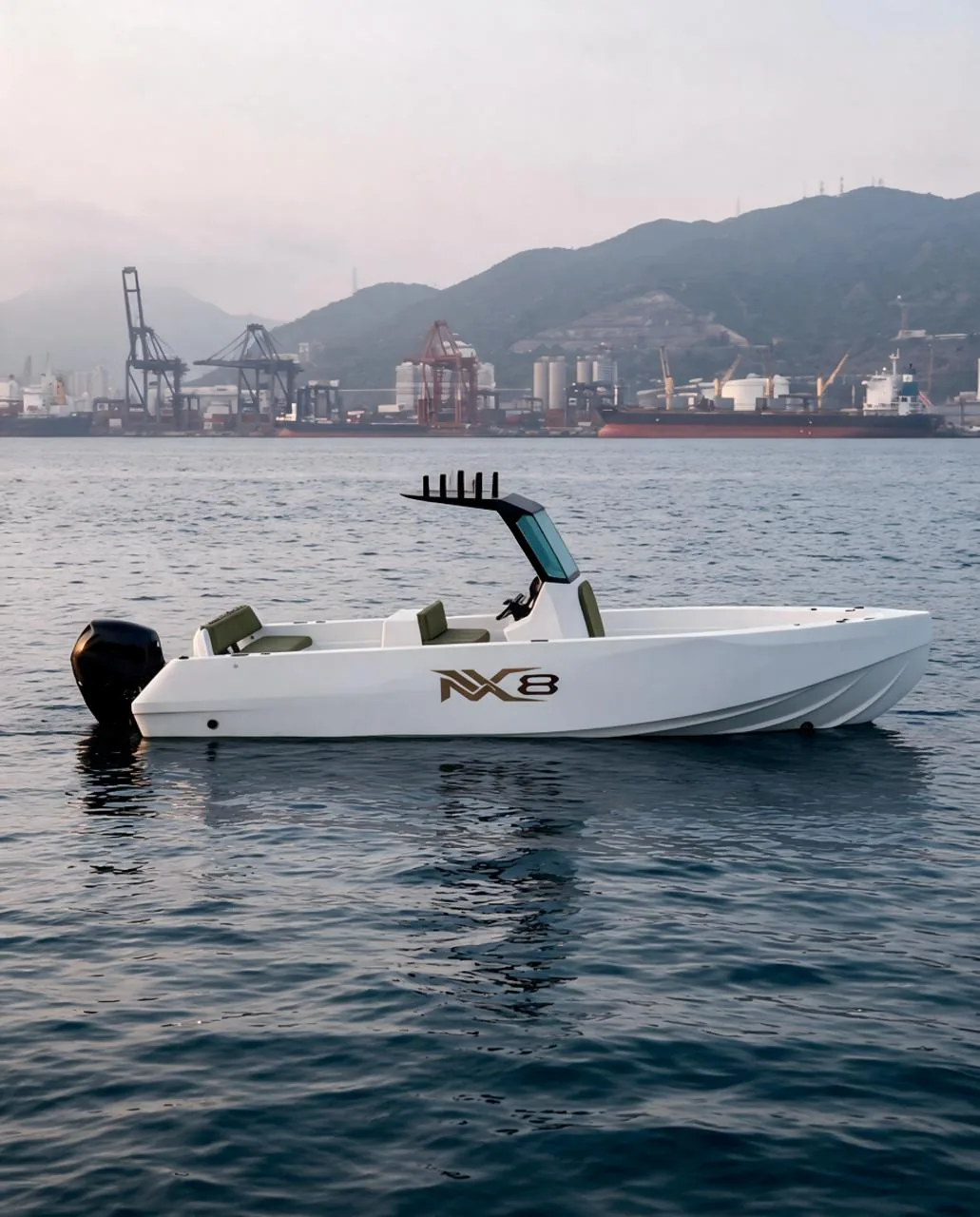
The KOSHI NX8 was born this way, long before it became a design project: from countless days spent at sea and the desire to experience this passion in a completely new way.
From the Pursuit of Speed to the Pursuit of Efficiency
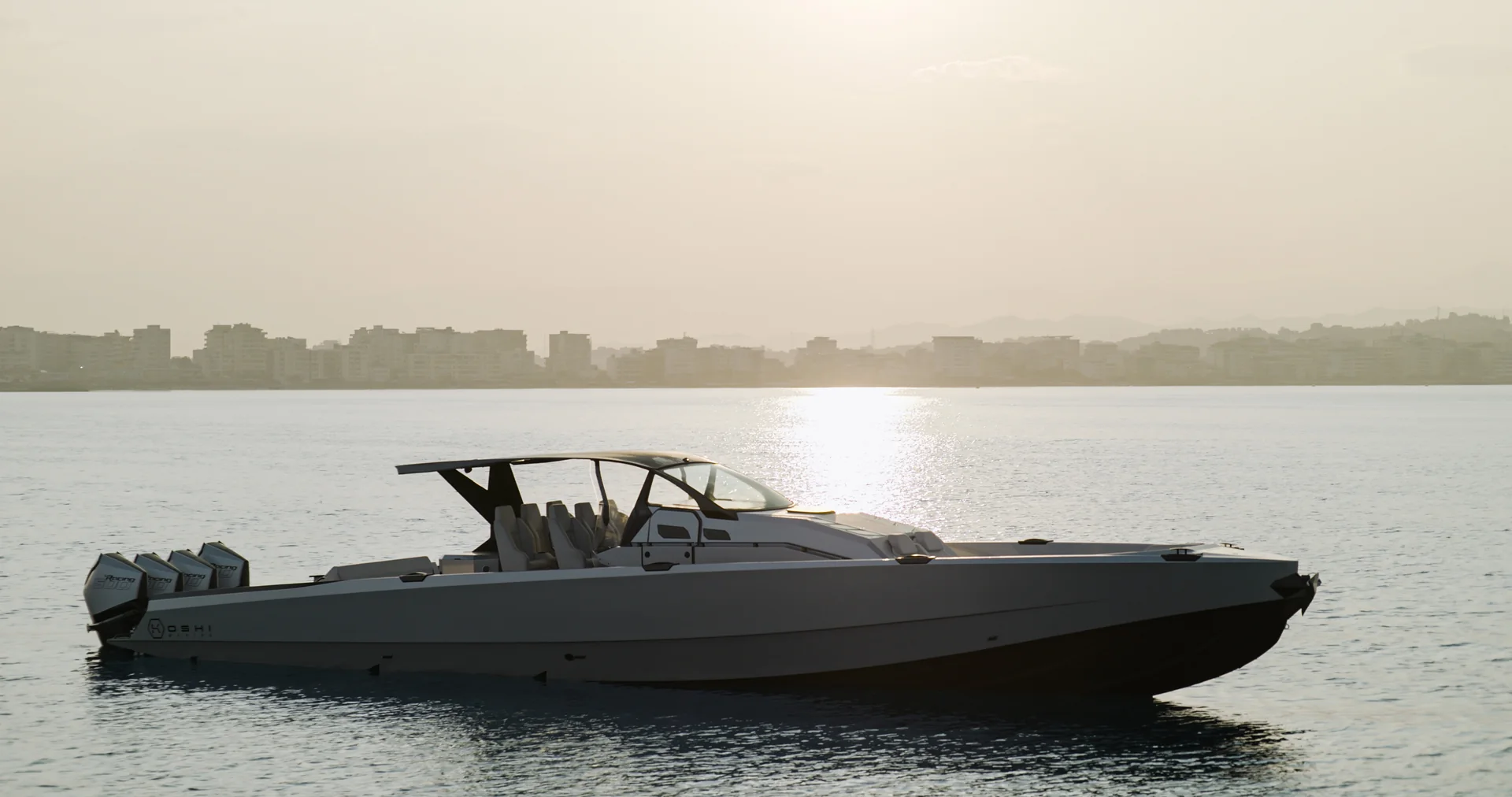
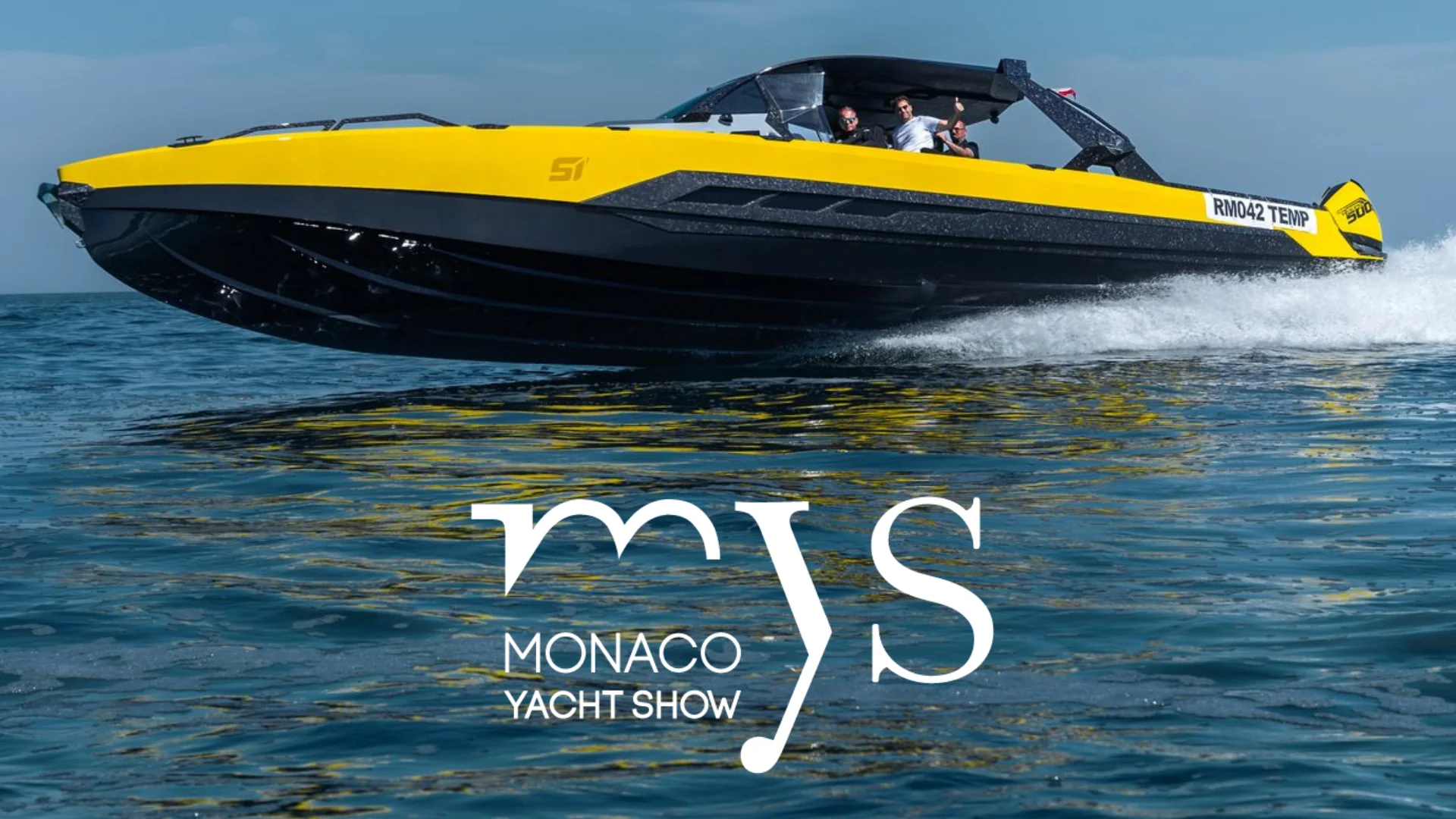
At KOSHI, we have developed boats ranging from 11 to 51 feet, all guided by the same philosophy: push boundaries, pursue maximum performance, and achieve the best possible efficiency in their respective categories.
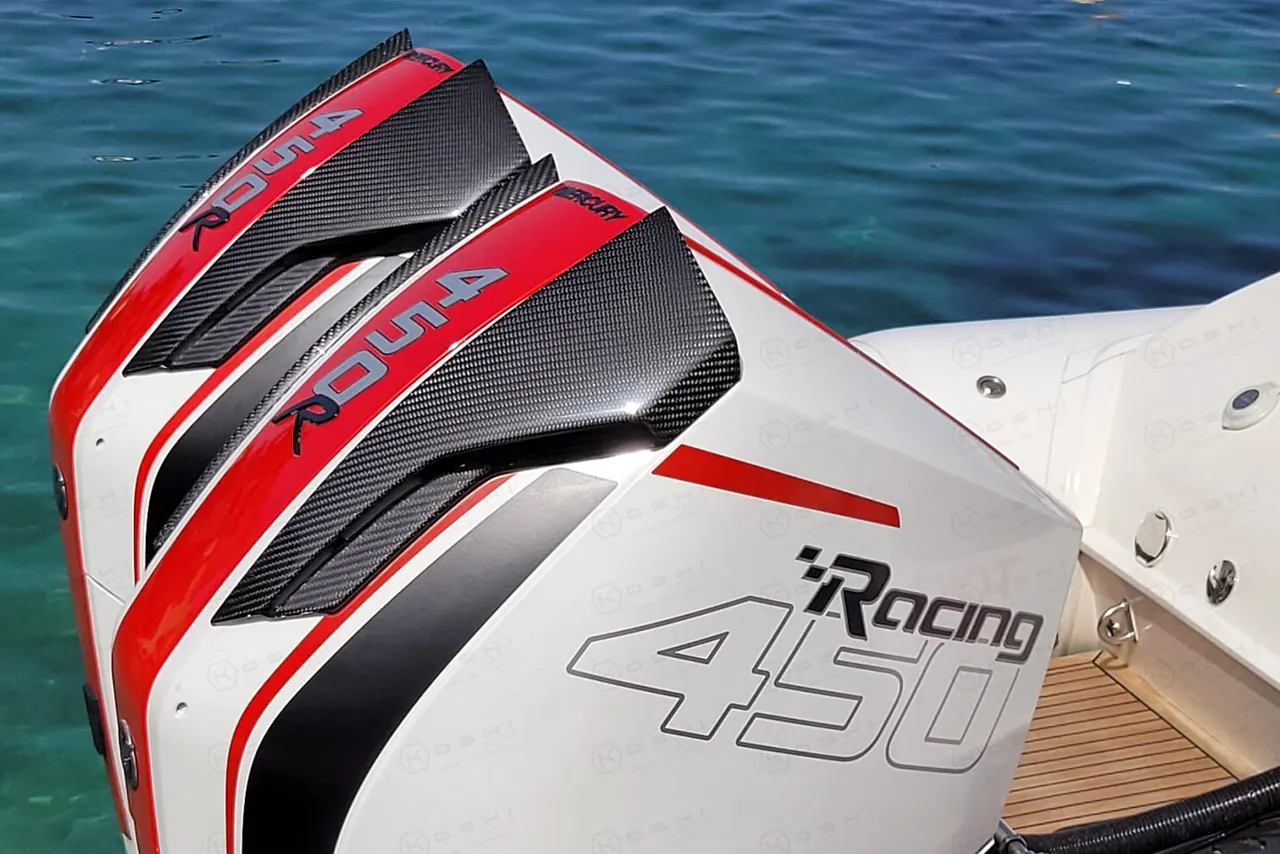
Over the years, we have invested enormous effort in hull design, weight reduction, and the optimization of every detail, achieving remarkable results. Our flagship, the KOSHI 51 GT, capable of approaching 100 mph despite its size, is one of the most significant examples of that journey.
But for me, speed has never been just about numbers. It is the result of a balance between engineering, lightness, power, and efficiency. Above all, it shows what can be achieved when you never stop looking for ways to improve.
Today, with the NX8, I want to bring this philosophy to a new challenge.
I do not simply want to build an electric boat. I want to show that the experience we have gained in the pursuit of maximum performance can make a difference in electric propulsion too, where every kilogram, every horsepower, and every kilowatt-hour matters even more.
Because to me, true innovation is not just about going faster. It is about doing more with less energy.
The Real Reasons I Began Looking for an Alternative
Despite the excellent results we have achieved with our boats in terms of efficiency and fuel consumption, over the years I realized there were still aspects of life at sea that I wanted to improve.
Take a real example: during a typical weekend of fishing, I might use 200–300 liters of fuel with the KOSHI 32, or 100–150 liters with the smaller KOSHI 21. These are highly efficient boats in their respective categories, yet they still come with significant running costs.
Not long ago, I could enjoy an entire weekend at sea for around €300–€400 in fuel. Today, that amount can easily be exceeded.
And that raises a very simple question: why should the cost of pursuing a passion limit how often we can enjoy it?
If I want to head out five times but can only manage three for financial reasons, it tells me there is still something we can improve.
Then there is maintenance, along with unexpected problems and inconveniences I know all too well. I have personally dealt with issues caused by poor fuel quality, which led to work being needed on the engines. Situations like these cost not only money, but also time, and can ruin days that should have been spent at sea.
But there is another aspect that matters enormously to me as a fisherman: silence.
Anyone who fishes offshore, especially for tuna during surface feeding activity, knows how important it is to approach carefully and minimize noise and disturbance. I have often imagined what it would be like to handle those moments with propulsion that is quieter, more precise, and more responsive.
Of course, only real experience at sea will tell us how much of a difference that advantage can make in practice.
And it was by bringing all these experiences together, fuel consumption, maintenance, noise, and the desire to enjoy the sea with greater freedom, that I began asking myself a question:
What if we could build a boat that retained KOSHI's sporting DNA while offering a completely different experience, simpler, quieter, and less expensive to operate?
That was when my curiosity about electric propulsion began to turn into a concrete project.
Why I Began to Believe in Electric Propulsion
My interest in electric propulsion was also sparked by my personal experience with electric cars. I was particularly impressed by the instant response, smoothness, quiet operation, and sense of control that this technology can offer.
As someone who is passionate about engines and performance, I asked myself: why not bring these qualities into boating, with a boat designed exactly the way I would want it?
But there is a big difference between having an idea and deciding to invest in making it a reality.
Over the past few years, I have attended numerous international boat shows, explored different technologies, and evaluated the electric propulsion solutions available on the market. I was looking for something that could genuinely meet our expectations, especially in terms of power-to-weight ratio, efficiency, and performance.
But from the very beginning, I was certain of one thing: I did not want to take an existing boat and simply replace its gasoline engine with an electric motor.
I wanted to develop a boat designed around this technology, drawing on everything we have learned over the years about lightweight construction, hydrodynamics, and hull efficiency.
Because an engine, however advanced, cannot work miracles on its own. The final result comes from the balance between the hull, weight, batteries, propulsion, and overall design.
And that is exactly where I believe KOSHI can make a difference.
The NX8 Is More Than a Boat with a Different Motor
One of KOSHI's greatest strengths is the experience we have gained over the years in composite materials, lightweight construction, and the development of high-performance hulls.
With the NX8, we want to put all this knowledge to work on a completely new challenge: getting the maximum possible result from every single kilowatt-hour of available energy.
Our philosophy is simple: rather than constantly adding more batteries to offset energy consumption, we prefer to start by making the boat itself more efficient. Reduce weight, optimize the hull, study weight distribution, and make the most of the available power.
That is why we have paid such close attention to the design process, using CFD simulations, hydrodynamic studies, and comparisons with KOSHI boats that we have already developed and tested with conventional propulsion.
This allows us to approach the project with realistic expectations grounded in experience and technical data, while recognizing that sea trials will ultimately confirm the results.
But the NX8 must not be efficient only on paper. I want it to be enjoyable, intuitive, and, above all, easy to live with.
From throttle response to energy management, from the integration of fishing electronics to effortless maneuvering, every detail should make the experience on board feel more natural and less complicated.
Of course, there are still fundamental aspects to verify, including real-world range, energy consumption at different speeds, the impact of sea conditions, and the practicality of charging.
And that is exactly why we do not want to make promises based on numbers alone.
We want to demonstrate, through real-world testing, that intelligent design can make a difference not only in performance, but also in running costs and in the freedom to enjoy life at sea.
Our Conviction, Our Next Challenge: 2027
If there is one thing I have learned over all these years, it is that a project is not worth starting unless you truly believe you can make a difference.
Today, after months of studies, design work, simulations, and comparisons with our past experience, I can say that I have high expectations for the KOSHI NX8.
Not because we already have every answer, but because we know how much work has gone into it, and we know exactly what we are aiming to achieve.
The first NX8 is scheduled for early 2027, when we will finally be able to put everything we believe in to the test: performance, efficiency, range, quietness, and, above all, the pleasure of being out on the water.
As always, the real-world tests will speak for themselves. We will not be satisfied with an impressive number on a display; we want to see how the NX8 performs in the conditions for which it was truly designed.
But beyond the technical data, this project has a far more personal meaning to me.
I want to spend even more days at sea, fish with friends, share moments with my family, and enjoy this passion with fewer concerns about fuel consumption, maintenance, and noise.
And I am convinced that many other people share that same desire.
The NX8 is for those who do not simply want to own a boat, but want to make the most of every opportunity to use it.
I do not simply want to build KOSHI's first electric boat. I want to create one more reason to head out to sea.